Turning AI Complexity into Your Competitive Advantage
AI is advancing — and so must your oversight
Artificial intelligence is no longer a disruptor on the sidelines — it’s embedded in the core of your business. For organizations under strict supervision, the question isn’t if AI will be adopted — it’s how to govern it effectively at scale.
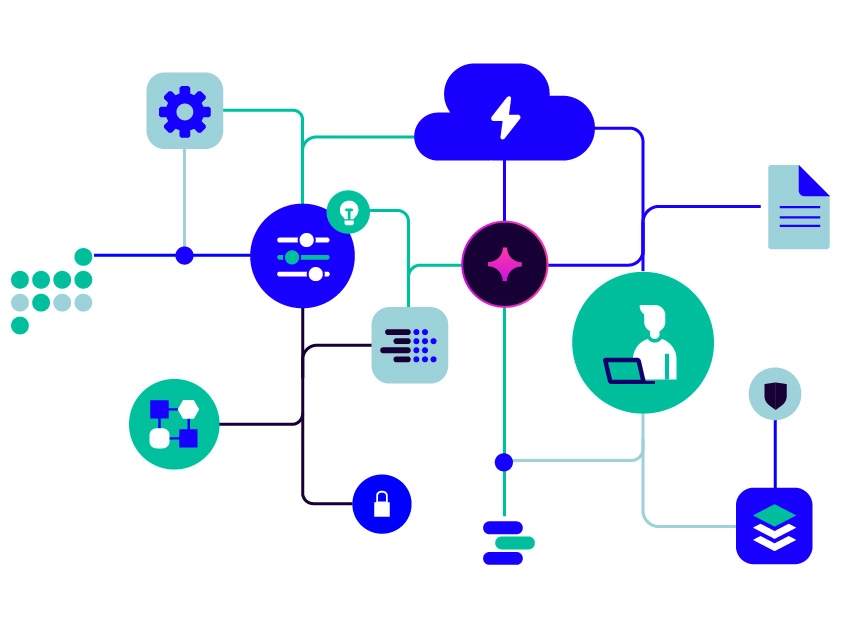
5 strategic forces reshaping compliance
More opportunity, more risk
AI promises meaningful gains in efficiency and decision velocity. But at enterprise scale, even minor governance weaknesses can quickly cascade across records, communications, and regulated outcomes. As AI accelerates, performance without oversight creates exposure. In 2026, oversight must keep pace with innovation.

The AI paradox: Accountability at scale
Efficiency and risk now scale together. Regulators remain technology neutral, meaning existing obligations — fiduciary duty, recordkeeping, and supervision — apply the moment AI touches a regulated workflow.
- The reality: Performance without oversight creates exposure.
- The mandate: Identify where AI is used, understand how outputs are supervised, and explain results under scrutiny.
From archive to asset
Stop treating your archive as a "compliance tax" and start treating it as strategic infrastructure.
- Insight: Communications data once stored for checkboxes is now the fuel for AI performance and regulatory defensibility.
- Outcome: High-integrity, governed data foundations are required to deliver explainable AI outcomes
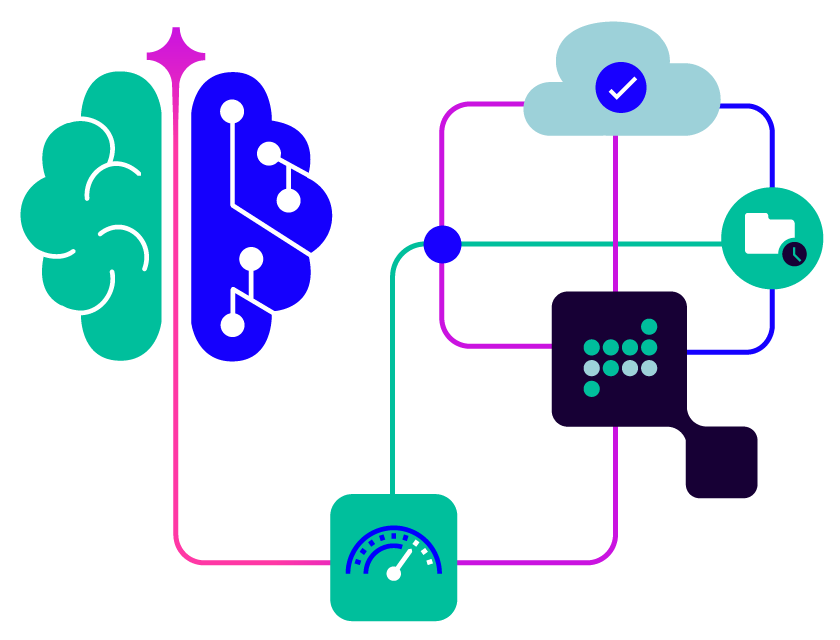
Interoperability without borders
Risk no longer lives inside individual applications. It lives in the handoffs between them.
- The shift: AI intelligence now flows across platforms, APIs, and autonomous agents.
- The test: Can you trace, control, and supervise your intelligence as it moves across modular environments?
Resilience as the benchmark
Written policies alone no longer enough. Regulators now demand proof that controls work in live, high-pressure environments.
- Agility over quantity: Static checklists fail when AI behaves unexpectedly.
- Live assurance: You must demonstrate how your organization responds and recovers when systems fail.
The compliance orchestrator
Compliance is evolving from a retrospective reviewer to a proactive enterprise orchestrator.
- Unified alignment: Accountability requires a "single source of truth" connecting legal, risk, IT, and the business.
- Continuous assurance: Shift from periodic manual reviews to real-time, AI-enabled risk signaling.
The path forward
2026 marks the shift from AI experimentation to accountability. Organizations that lead will be those that activate data as infrastructure, govern intelligence across systems, and design oversight for resilience.